
Electrical Panel Upgrade Guide for Home Safety, Efficiency, and Modern Power Needs
premierelectrical.ca
Written by a licensed residential electrician with professional experience in electrical panel upgrades, electrical safety inspections, and residential code compliance in Canada.
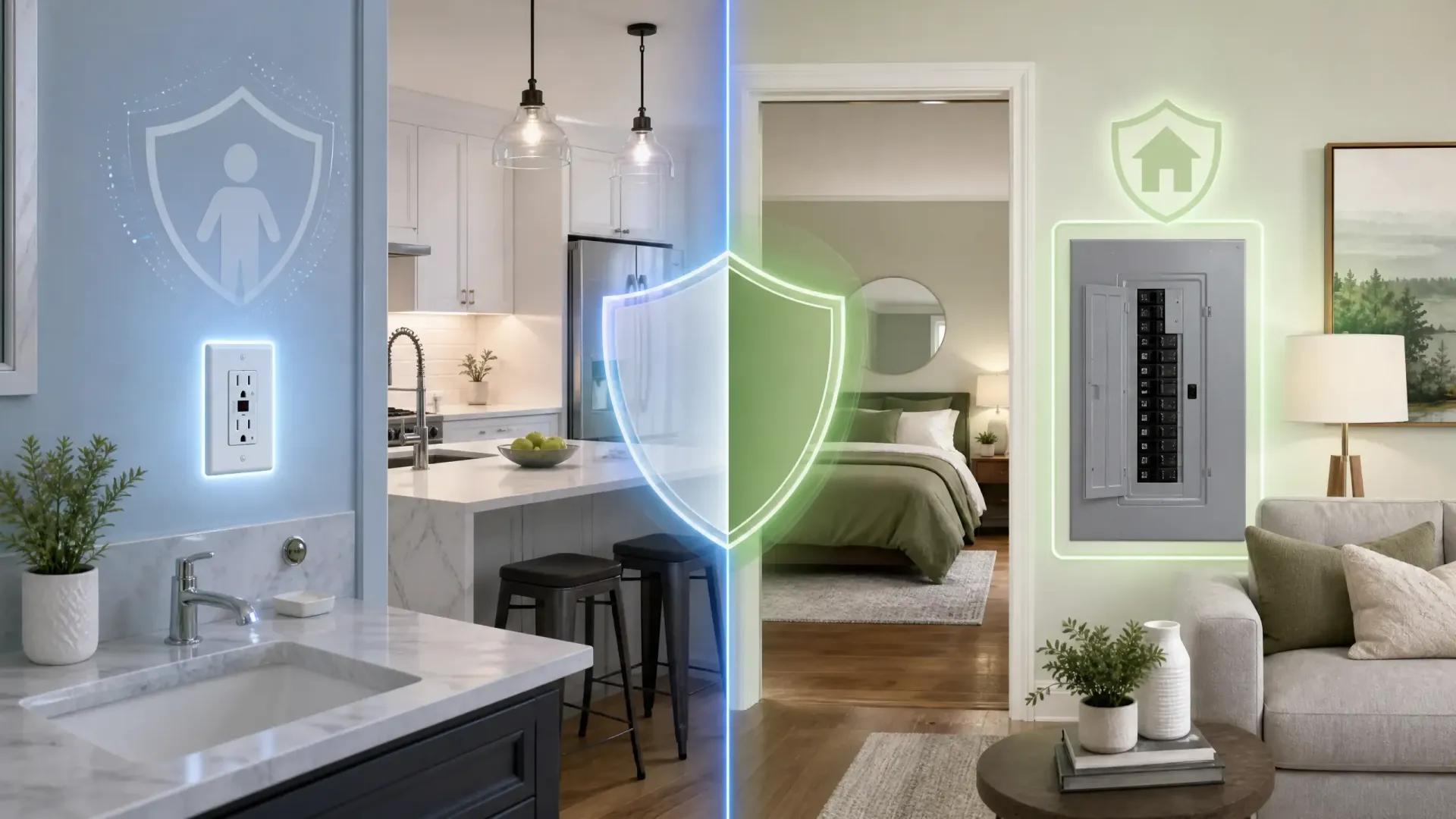
A home’s electrical system is one of its most critical infrastructure components, yet it is often ignored until something goes wrong. At the center of this system is the electrical panel, also known as the breaker panel or service panel. This unit is responsible for safely distributing electricity throughout your home and protecting circuits from overloads.
As homes become more dependent on electricity for heating, cooling, appliances, entertainment systems, and electric vehicle charging, older electrical panels struggle to keep up. This is why understanding when to schedule an electrical panel upgrade is essential for safety and long term reliability.
Many homeowners are unaware of the early warning signs. Small issues such as flickering lights or occasional breaker trips may seem harmless but often indicate deeper electrical problems. This guide explains in detail when an electrical panel upgrade is necessary, what warning signs to look for, and why delaying it can create serious safety risks.
Understanding the Role of Your Electrical Panel
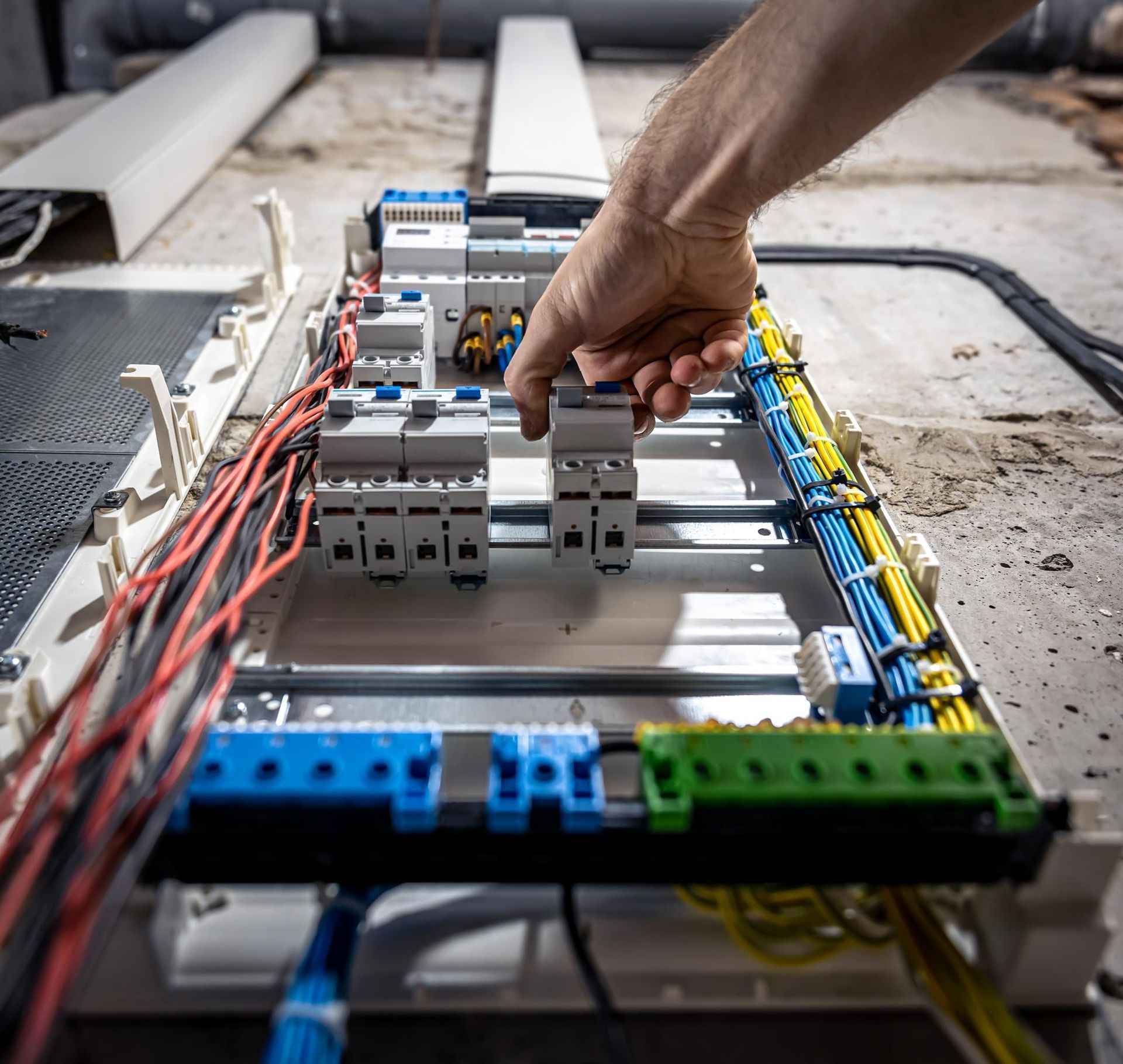
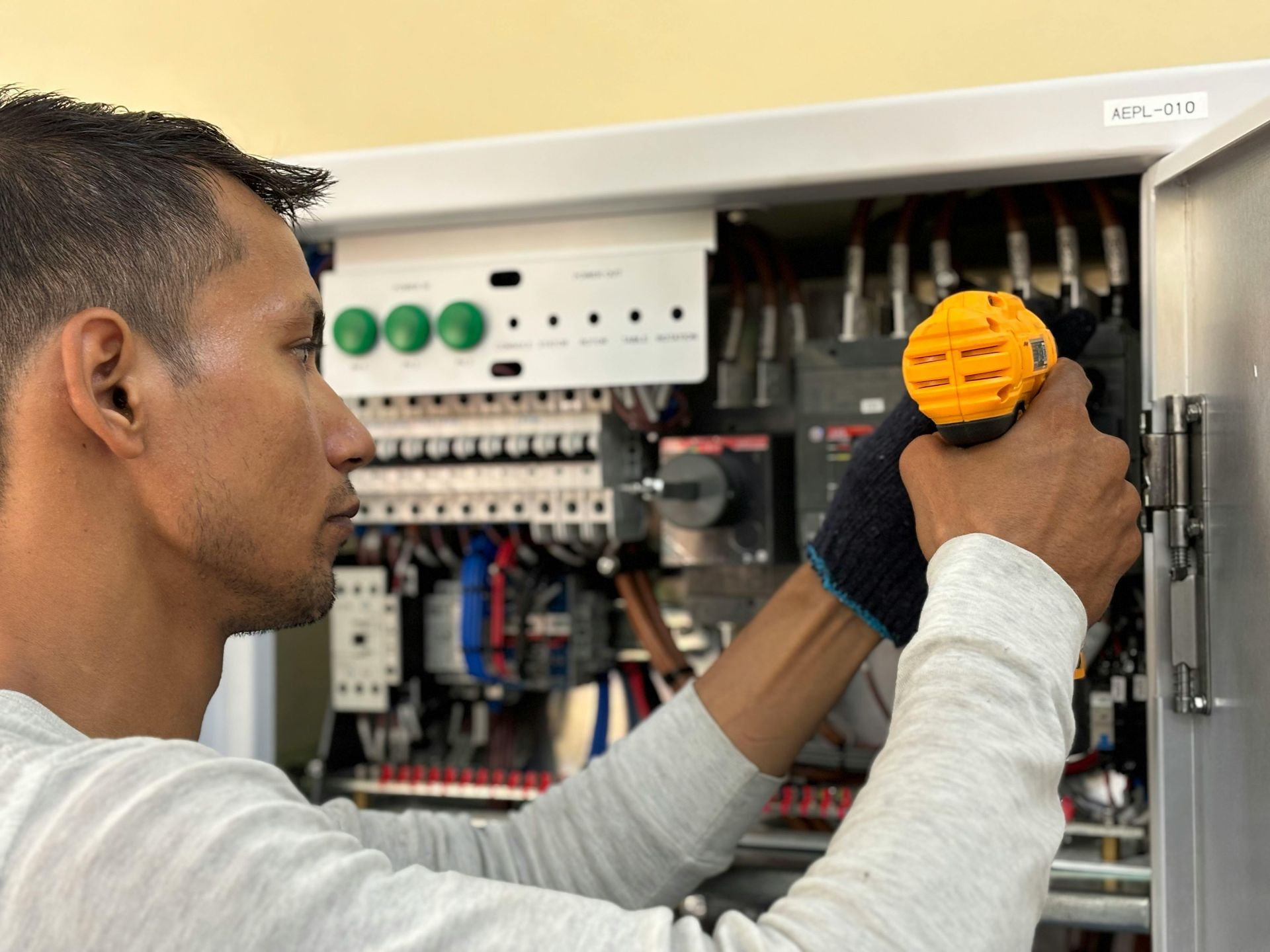
The electrical panel is the central hub of your home’s electrical system. It receives power from the utility company and distributes it to individual circuits throughout your property. Each circuit is protected by a breaker designed to shut off electricity when it detects an overload or fault.
Modern homes require significantly more electrical capacity than older homes were designed to handle. Decades ago, a household might only need power for lighting, basic appliances, and heating. Today, homes include high demand devices such as:
- Air conditioning systems
- Electric ovens and cooktops
- Refrigerators and freezers
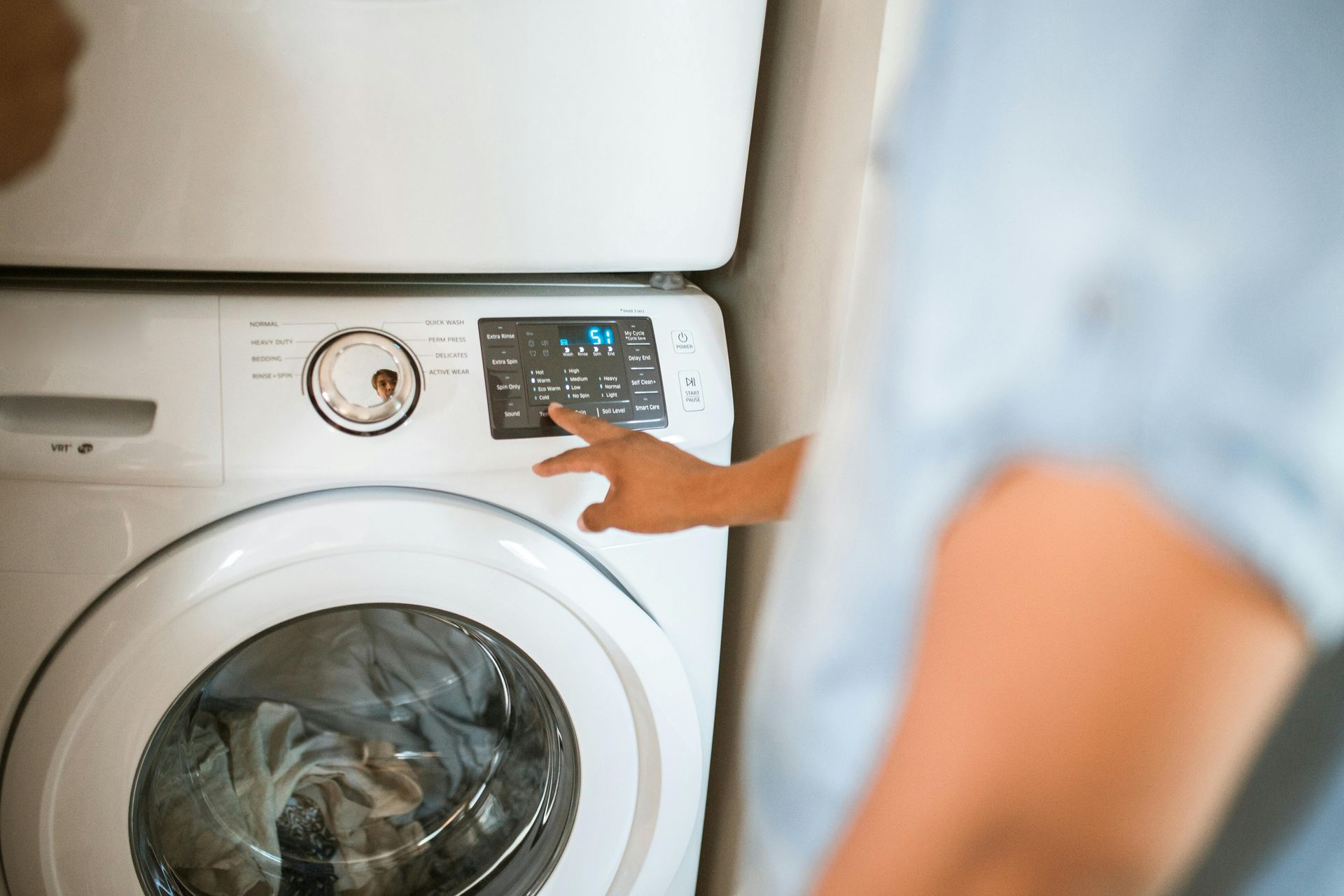
- Washing machines and dryers
- Home office equipment
- Smart home devices
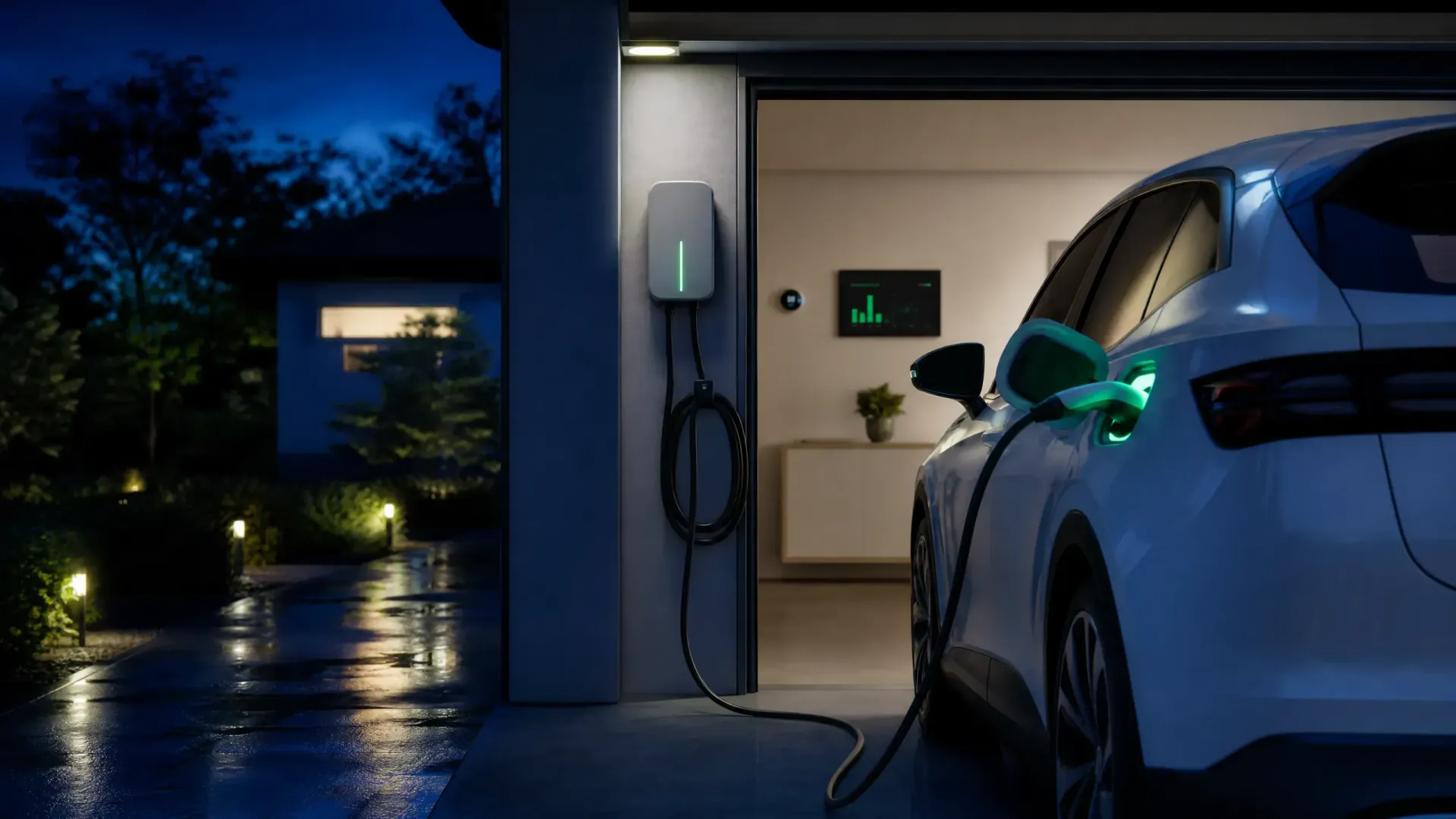
- Electric vehicle chargers
When an electrical panel is outdated or undersized, it struggles to handle this demand safely. This is when an electrical panel upgrade becomes necessary to prevent overheating, power interruptions, and potential fire hazards.
Frequent Circuit Breaker Trips
One of the most common and noticeable warning signs is frequent breaker trips. Circuit breakers are designed as safety devices that shut off power when circuits become overloaded.
However, if breakers are tripping repeatedly, it is not normal behavior. It usually indicates that the electrical system is under stress.
Common causes include:
- The panel is supplying more power than it is designed for
- Too many high consumption appliances are operating at the same time
- Aging breakers that no longer function reliably
- Outdated electrical infrastructure that cannot support modern demand
If you find yourself constantly resetting breakers, it is a strong indicator that you may need an electrical panel upgrade. Ignoring this issue can lead to overheating and long term electrical damage.
Flickering or Dimming Lights in the Home

Flickering or dimming lights are often dismissed as a minor inconvenience, but they are frequently a sign of electrical instability.
This issue commonly occurs when large appliances such as air conditioners, microwaves, or washing machines draw power from the same system, causing temporary voltage drops.
Possible causes include:
- Overloaded circuits sharing too much demand
- Insufficient panel capacity for modern usage
- Outdated wiring that cannot maintain stable voltage flow
- Loose electrical connections inside the panel
If lighting fluctuations happen regularly, it is a clear indication that your system may require an electrical panel upgrade to stabilize power distribution and improve safety.
Outdated Electrical Panel or Fuse Box Systems
Many older homes still operate on electrical panels that are 25 to 40 years old or even fuse boxes, which are no longer considered safe or efficient.
Older panels were not designed for today’s electrical demands and often lack modern safety features such as arc fault protection and improved circuit management.
Warning signs of outdated systems include:
- Limited or no available breaker space for expansion
- Frequent need to replace fuses instead of resetting breakers
- Known outdated panel brands with safety concerns
- Lack of compliance with current electrical standards
An outdated electrical panel significantly increases the risk of system failure. In these cases, a full electrical panel upgrade is strongly recommended to bring the home up to modern safety standards.
Burning Smell, Heat, or Scorch Marks Near the Panel
A burning smell, warm panel surface, or visible scorch marks are serious warning signs that require immediate attention.
These symptoms usually indicate overheating inside the electrical panel, which can be caused by:
- Loose or damaged wiring connections
- Electrical arcing between components
- Overloaded circuits running beyond capacity
- Internal breaker or panel failure
Heat buildup in electrical systems is extremely dangerous and can lead to fire hazards if not addressed quickly. If any of these signs are present, homeowners should
immediately contact a licensed electrician for inspection and possible electrical panel upgrade.

Appliances Not Operating Properly or Losing Power
Another sign of electrical panel issues is when appliances do not function consistently or lose power unexpectedly.
This may include:
- Air conditioning units struggling to start or shutting down
- Kitchen appliances losing power during use
- Heating systems operating inconsistently
- Electronics restarting or malfunctioning
These issues often occur when the electrical panel cannot supply stable and sufficient power to all circuits. A properly sized electrical panel upgrade helps ensure consistent energy distribution and reliable appliance performance.
Adding New Appliances or Home Renovations
Home renovations and appliance upgrades significantly increase electrical demand. If you are planning any major upgrades, it is important to evaluate whether your current electrical panel can handle the additional load.
Common situations that require an electrical panel upgrade include:
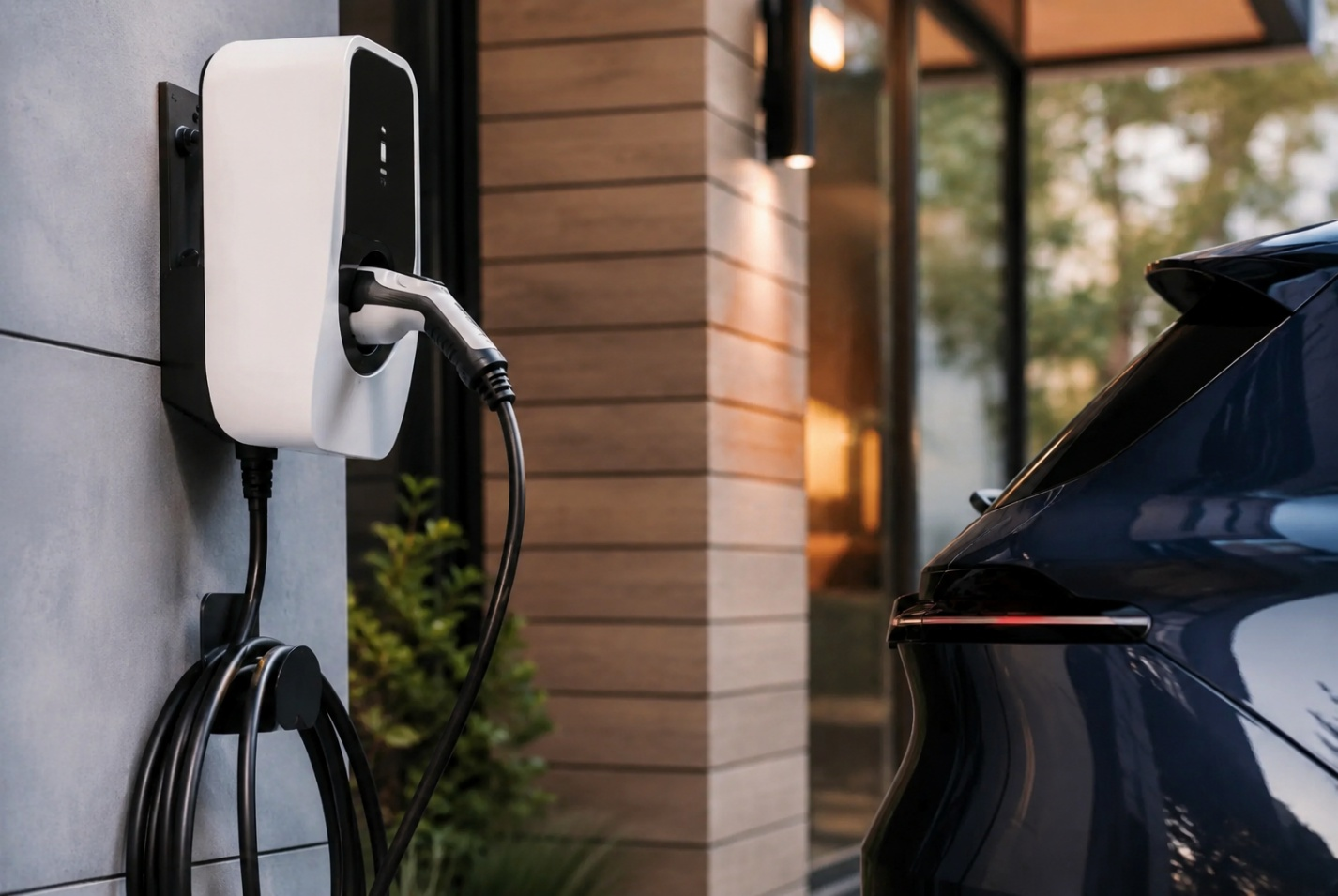
- Installing an electric vehicle charging station
- Adding central air conditioning or heat pumps
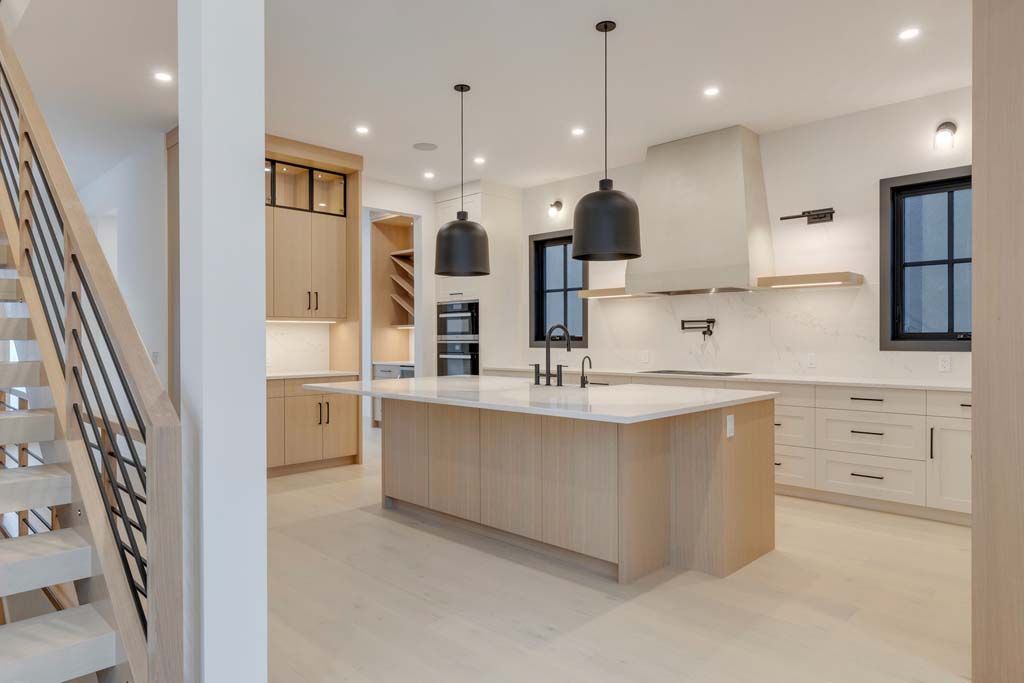
- Kitchen remodeling with modern high power appliances
- Basement finishing or home extensions
- Setting up dedicated home office or workshop areas
Without sufficient electrical capacity, new installations can overload the system. Upgrading the panel ensures safe expansion and long term reliability.

Electrical Panel Upgrade and Home Safety Standards in Canada
In Canada, electrical systems must comply with the Canadian Electrical Code. This ensures that homes are safe, properly grounded, and capable of handling required electrical loads.
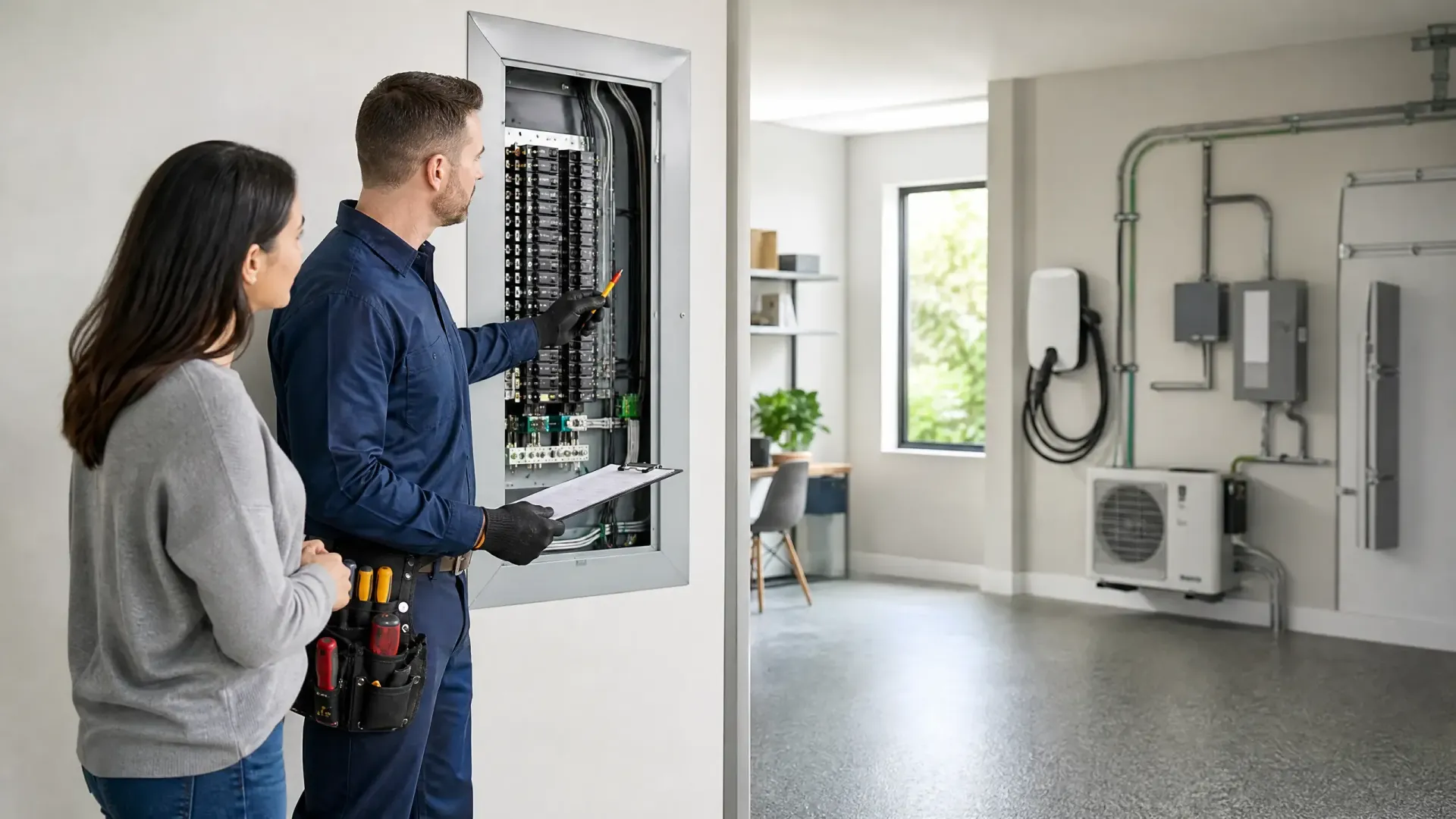
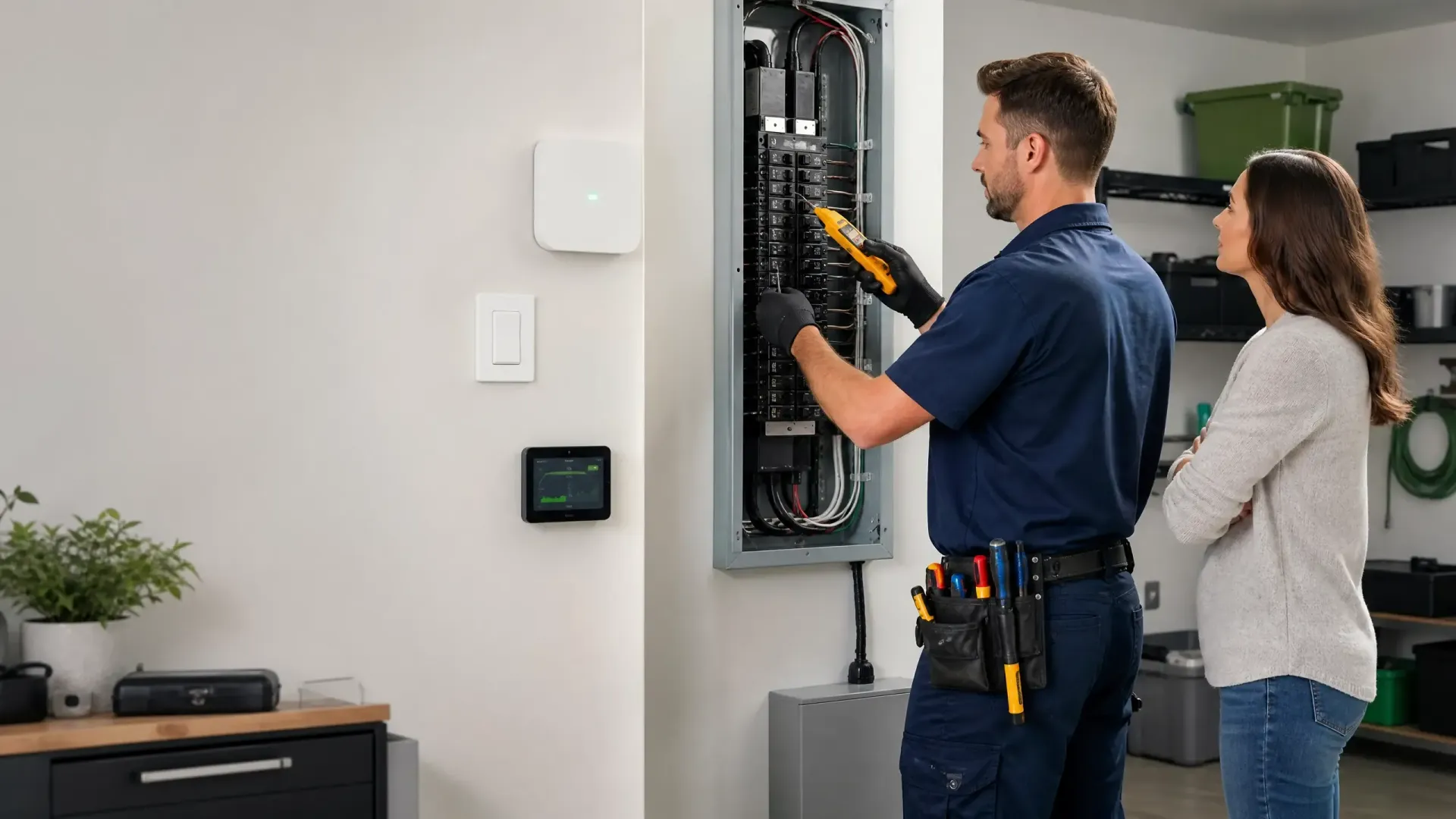
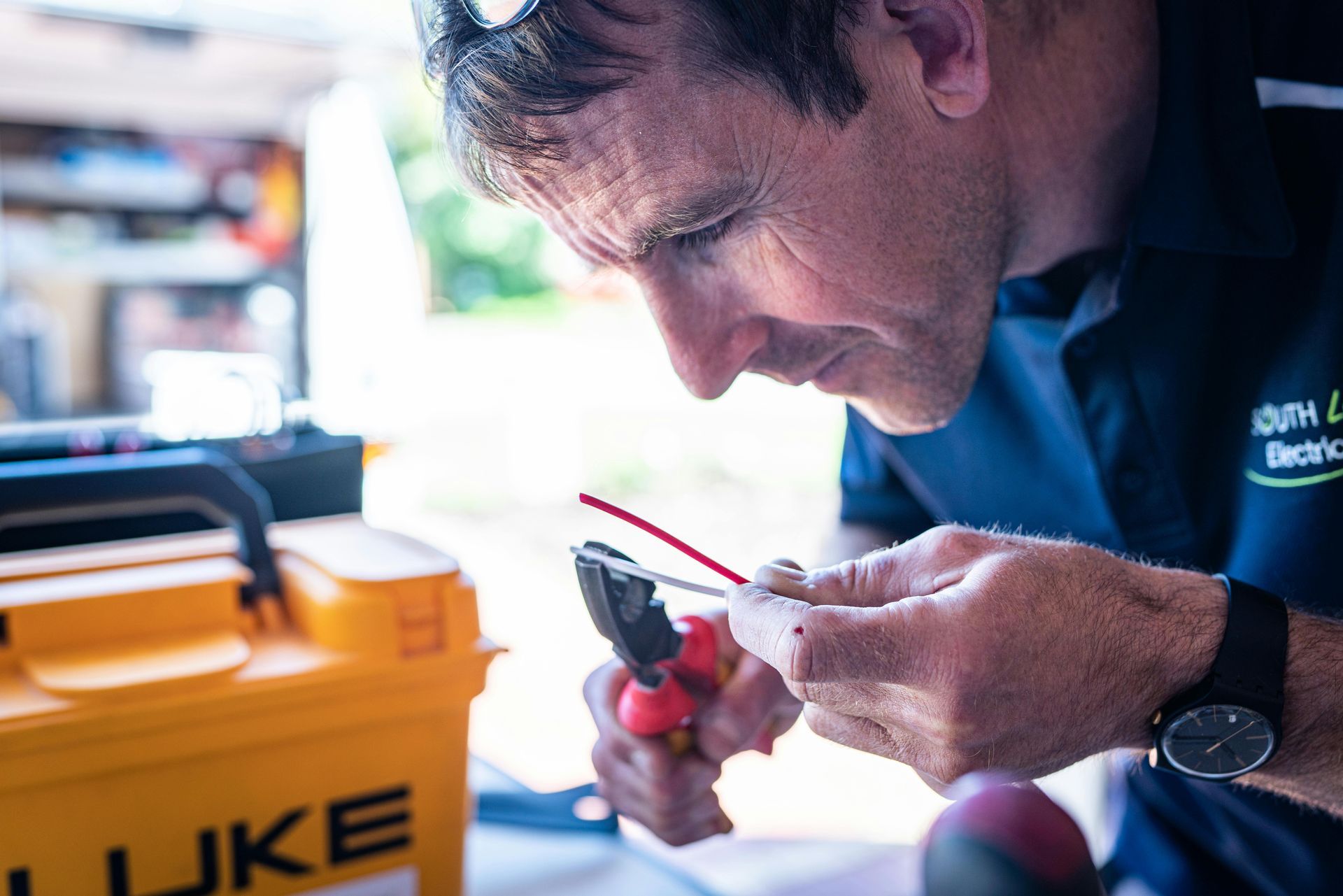
A licensed electrician performing an electrical panel upgrade will:
- Assess total electrical load requirements
- Ensure compliance with safety codes
- Upgrade wiring connections if needed
- Install modern breakers for improved protection
- Test the entire system for safety and reliability
Professional installation is essential because electrical panel work involves high voltage systems that can be dangerous if handled incorrectly.
In Calgary, a panel or service upgrade also requires an
electrical permit and inspection before the work is energized.
Benefits of Electrical Panel Upgrade for Homeowners
Upgrading your electrical panel provides multiple long term benefits beyond just increased power capacity.
These include:
- Improved home electrical safety and reduced fire risk
- Stable and consistent power distribution
- Increased property value and inspection readiness
- Support for modern appliances and smart home systems
- Ability to install EV charging infrastructure
- Reduced risk of unexpected power outages
An electrical panel upgrade is one of the most valuable electrical investments a homeowner can make.

Why You Should Always Hire a Licensed Electrician
Electrical panel upgrades should never be attempted as a DIY project. The risks include electric shock, fire hazards, and code violations.
A licensed electrician ensures:
- Safe handling of high voltage systems
- Proper load balancing and circuit distribution
- Compliance with Canadian Electrical Code
- Correct installation of breakers and grounding systems
- Long term system reliability and performance
Many homes in Calgary built during the 1970s, 1980s, and 1990s were designed for significantly lower electrical demand than modern households require today. As homeowners add EV chargers, air conditioning systems, hot tubs, and home offices, panel upgrades are becoming increasingly common to safely support these additional loads.
At Premier Electrical, all electrical panel upgrade services are completed by trained professionals who prioritize safety, compliance, and long term reliability.
Final Thoughts on Electrical Panel Upgrade
Understanding when to schedule an electrical panel upgrade is essential for maintaining a safe, efficient, and modern home. Warning signs such as frequent breaker trips, flickering lights, outdated panels, overheating, or appliance failures should never be ignored.
As electrical demand continues to increase in modern homes, older systems often become insufficient. A timely electrical panel upgrade not only improves performance but also significantly reduces safety risks.
If your home shows any of these warning signs, it is recommended to schedule a professional inspection as soon as possible. Early action can prevent costly damage and ensure your home remains safe and compliant with modern electrical standards.
For expert
electrical panel upgrade services, Premier Electrical provides professional, code compliant, and safety focused solutions designed to meet the needs of modern homeowners across Canada.