GFCI vs. AFCI: What's the Difference? A Canadian Homeowner's Guide

Share this article

New Title

Electrical Panel Problems

When it comes to electrical safety, most homeowners don't think much about the outlets and breakers protecting their homes—until something goes wrong. Two of the most important safety devices in a modern electrical system are Ground Fault Circuit Interrupters (GFCIs) and Arc Fault Circuit Interrupters (AFCIs).

Although they may sound similar, GFCIs and AFCIs serve very different purposes. Understanding how they work and where they're required can help you keep your home safer while ensuring your electrical system meets Canadian Electrical Code (CEC) requirements.

In this guide, we'll explain the differences between GFCIs and AFCIs, where they're used, and why both are essential for protecting your home and family.


What Is a GFCI?

A Ground Fault Circuit Interrupter (GFCI) is designed to protect people from electric shock.

A GFCI continuously monitors the flow of electricity between the hot and neutral wires. If it detects that electricity is leaking from the circuit—such as through water or a person's body—it immediately shuts off power, often in as little as 1/40th of a second.

Common Causes of a Ground Fault

Ground faults can occur when:


  • Electrical appliances come into contact with water.
  • Damaged cords expose live wires.
  • Moisture enters electrical outlets.
  • Someone accidentally touches a live electrical source.


Without GFCI protection, these situations can result in serious electrical shock or even electrocution.


Where Are GFCIs Required?

Because water significantly increases the risk of electrical shock, GFCIs are commonly installed in areas where moisture is present.

Typical locations include:


  • Bathrooms
  • Kitchens
  • Laundry rooms
  • Garages
  • Basements
  • Outdoor receptacles
  • Crawl spaces
  • Utility rooms


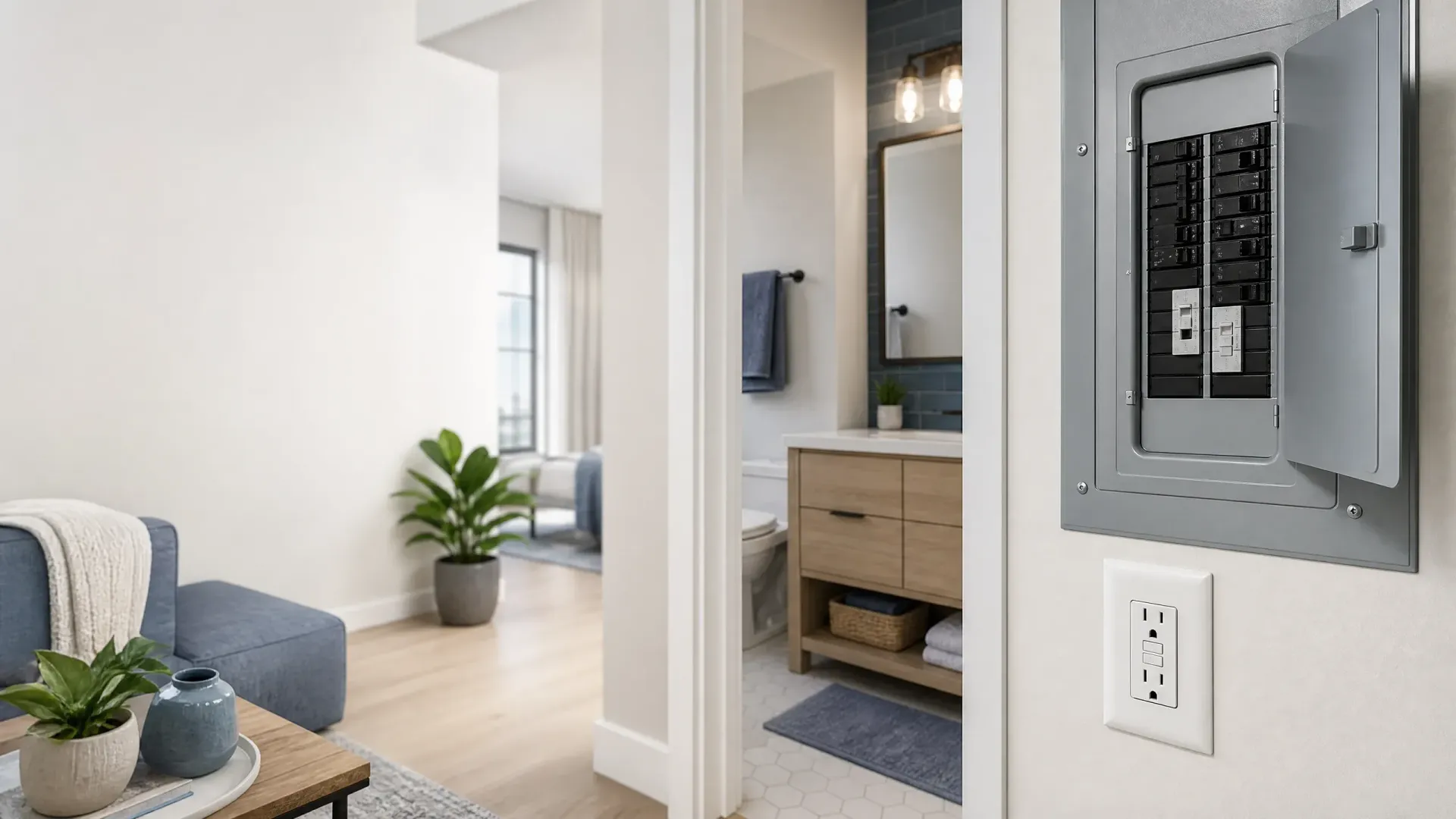
Many newer homes have GFCI protection installed directly at the breaker panel, while others use GFCI receptacles with the familiar "Test" and "Reset" buttons.

Electrical Panel Problems

What Is an AFCI?

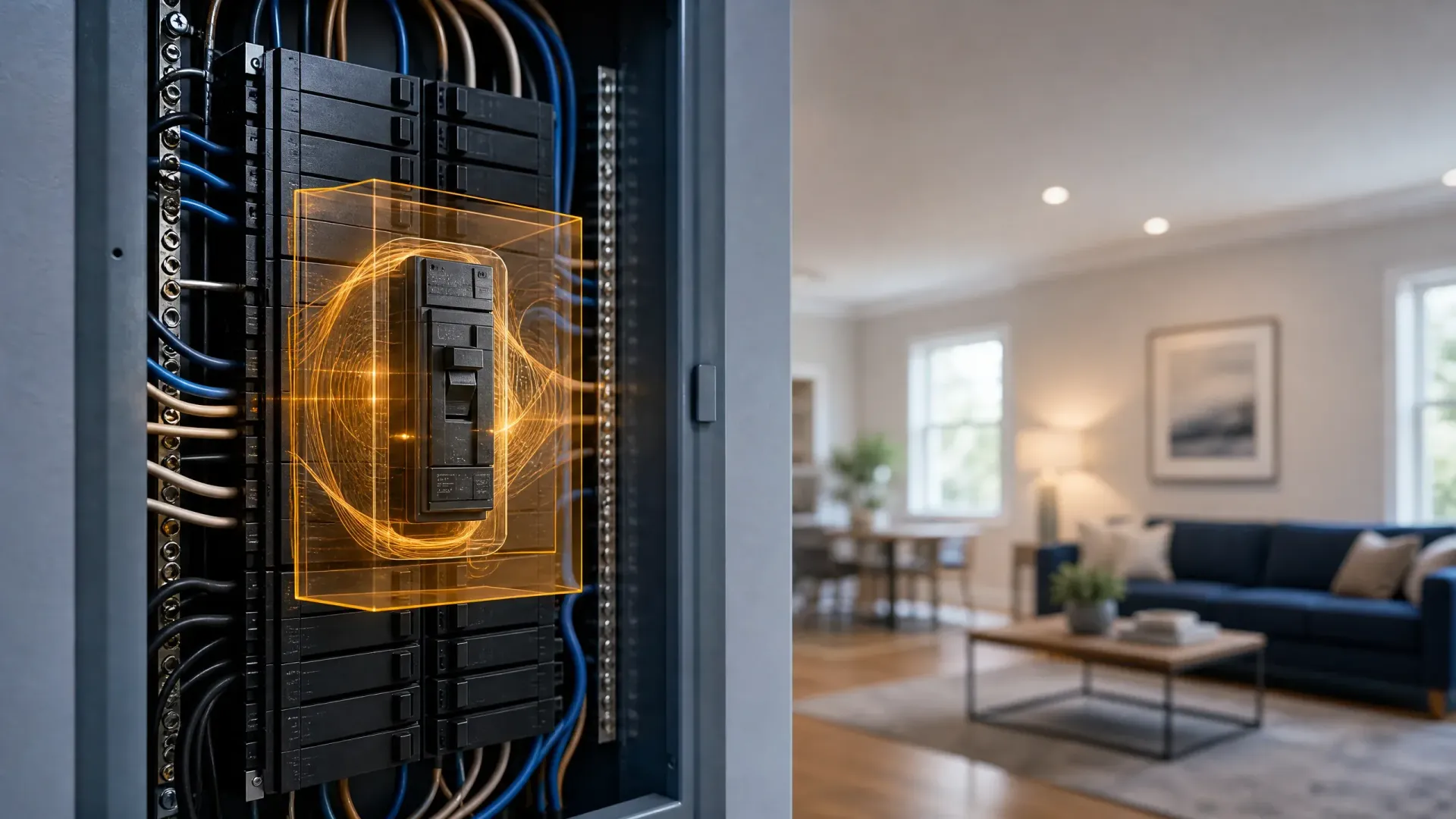
An Arc Fault Circuit Interrupter (AFCI) is designed to prevent electrical fires.

Unlike a GFCI, an AFCI doesn't monitor electrical leakage. Instead, it detects dangerous electrical arcing—small sparks that occur when damaged wiring, loose connections, or deteriorated insulation allow electricity to jump through the air.

While these arcs may seem insignificant, they can generate enough heat to ignite surrounding wood, insulation, or other combustible materials.

An AFCI identifies these hazardous arc patterns and disconnects power before a fire can start.


Common Causes of Arc Faults

Arc faults often result from:


  • Loose electrical connections
  • Damaged wiring
  • Aging electrical systems
  • Nails or screws driven into hidden wiring
  • Pinched or crushed electrical cables
  • Worn appliance cords


These problems may remain hidden behind walls for years, making AFCI protection an important layer of home safety.


Where Are AFCIs Required?

Modern Canadian electrical standards require AFCI protection on many residential circuits, particularly those serving living spaces.

These often include:


  • Bedrooms
  • Living rooms
  • Family rooms
  • Dining rooms
  • Hallways
  • Home offices
  • Recreation rooms


As electrical safety standards evolve, AFCI protection has become increasingly common in new construction and major renovations.


GFCI vs. AFCI: The Key Differences

Although both devices improve electrical safety, they protect against different hazards.

Feature

Although both devices improve electrical safety, they protect against different hazards.


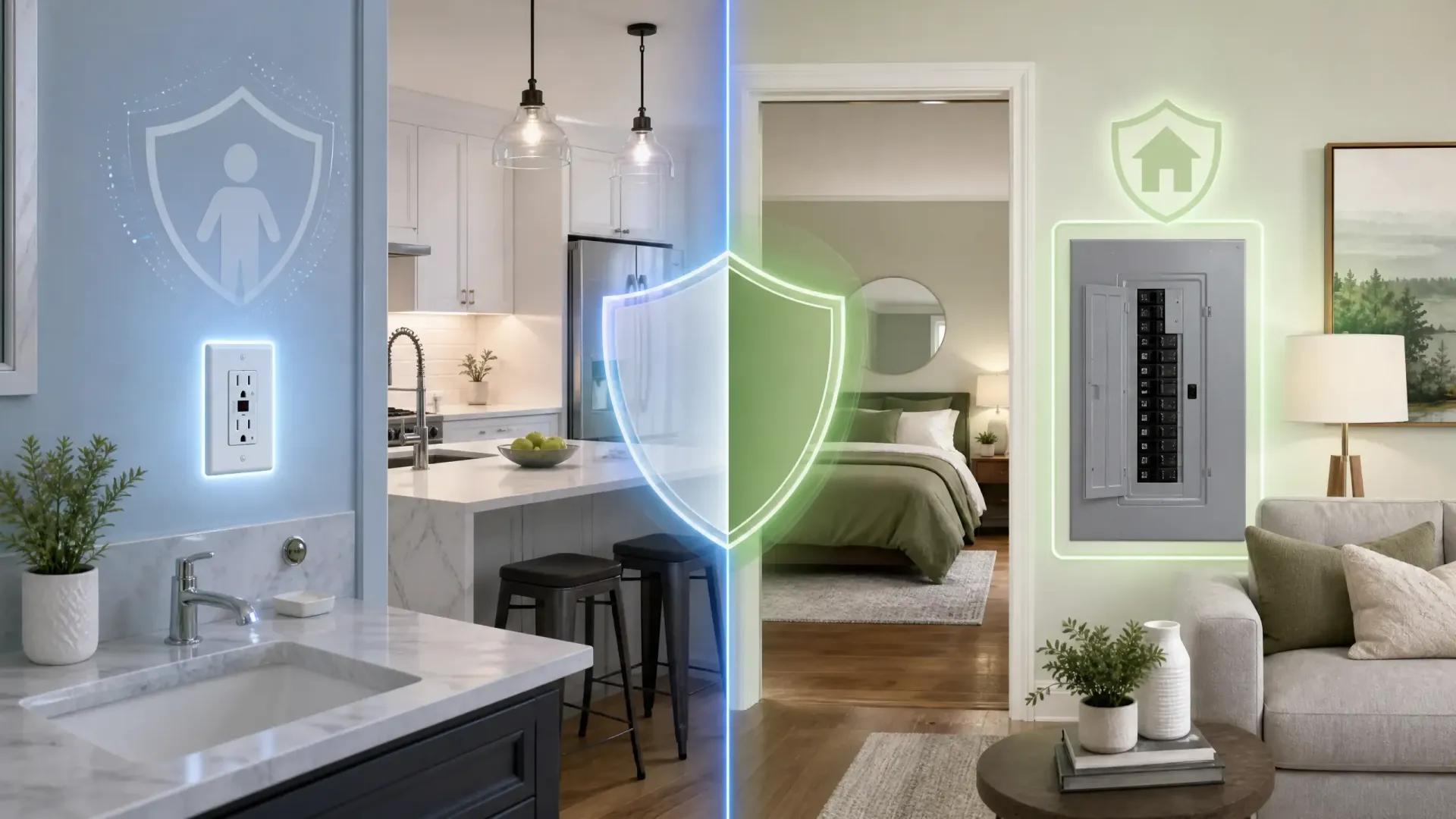
  • Different Hazards: GFCIs protect against electrical shock, whereas AFCIs protect against electrical fires.
  • Different Detections: GFCIs detect ground faults (electricity leaking from a circuit), while AFCIs detect dangerous electrical arcs (sparking in the wiring).
  • Different Locations: GFCIs are commonly found in wet areas like bathrooms, kitchens, and outdoors. AFCIs are typically located in living areas, bedrooms, and hallways.
  • Different Purposes: The main purpose of a GFCI is personal safety (protecting people). The main purpose of an AFCI is fire prevention (protecting your home).
  • Bottom Line: Both devices are essential for a complete electrical safety system, but they protect against different threats.


Think of it this way:


  • GFCIs protect people.
  • AFCIs protect your home.


Both are essential for a complete electrical safety system.


Can One Device Do Both?

Yes.

Some modern electrical breakers combine GFCI and AFCI protection into a single device. These dual-function breakers provide protection against both electrical shock and arc faults, making them a popular choice for new homes and electrical upgrades.

A licensed electrician can determine whether dual-function breakers are appropriate for your home's electrical system.


Electrical Panel Problems

How to Test Your GFCI

GFCI outlets should be tested every month to ensure they're functioning properly.

It's simple:


  1. Press the "Test" button.
  2. Verify that power to the outlet turns off.
  3. Press the "Reset" button to restore power.


If the outlet doesn't trip or won't reset, it should be inspected or replaced by a qualified electrician.


What About AFCIs?

Unlike GFCIs, AFCIs are more difficult for homeowners to test accurately because they monitor complex electrical waveforms rather than simple leakage current.

Most AFCI breakers include a Test button that should be pressed periodically according to the manufacturer's instructions.

If an AFCI breaker trips repeatedly, don't ignore it. While nuisance trips can occur, repeated tripping often indicates a wiring issue or damaged electrical device that requires professional diagnosis.


Signs You May Need an Electrical Upgrade

If your home is older, it may not include either GFCI or AFCI protection.

Consider having your electrical system inspected if you notice:


  • Frequently tripped breakers
  • Flickering lights
  • Outdated two-prong outlets
  • A fuse box instead of circuit breakers
  • Renovations planned for older areas of the home
  • No GFCI outlets in bathrooms or kitchens


An electrical inspection can identify safety improvements that bring your home closer to current Canadian standards.


Why Professional Installation Matters

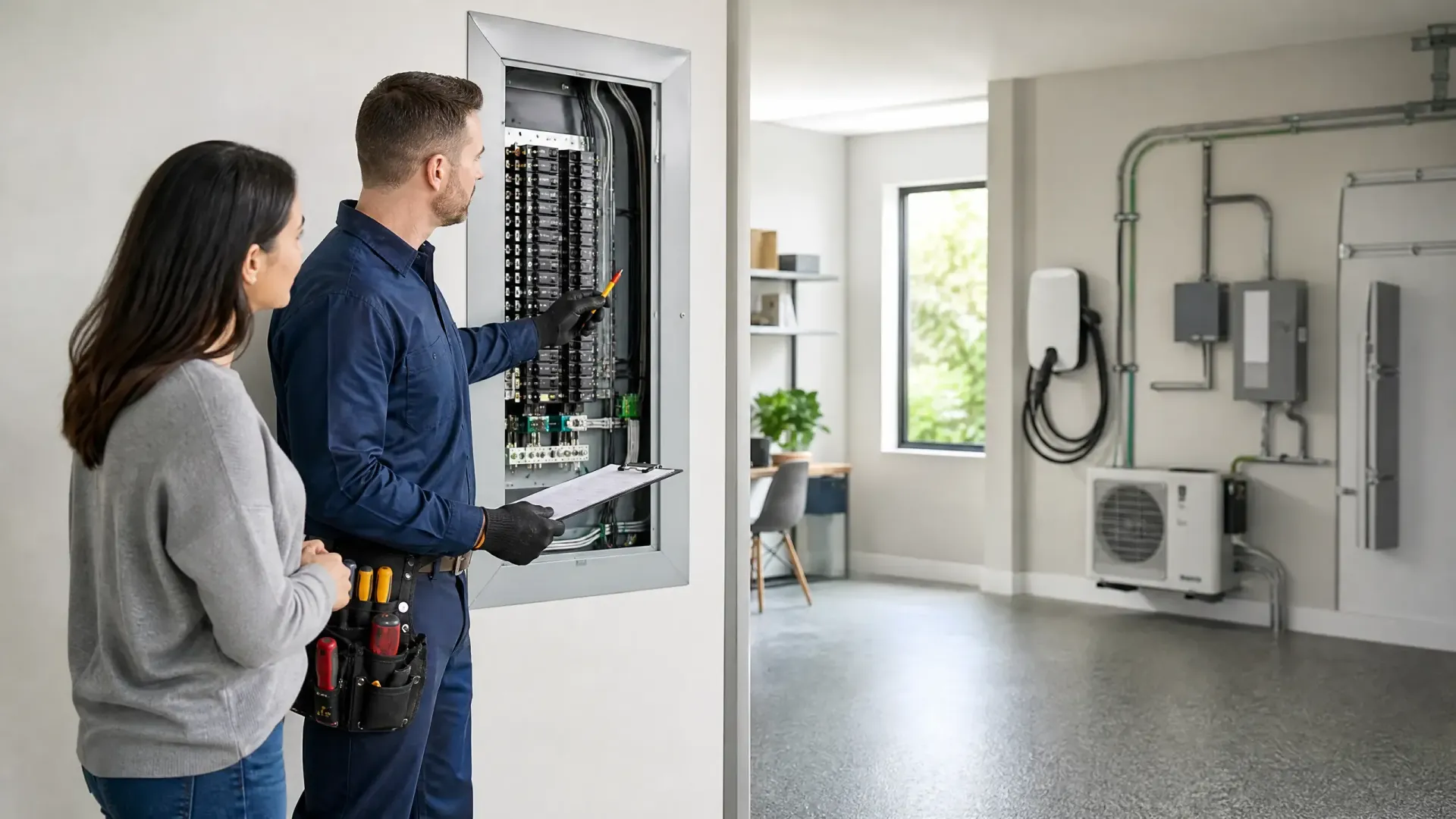
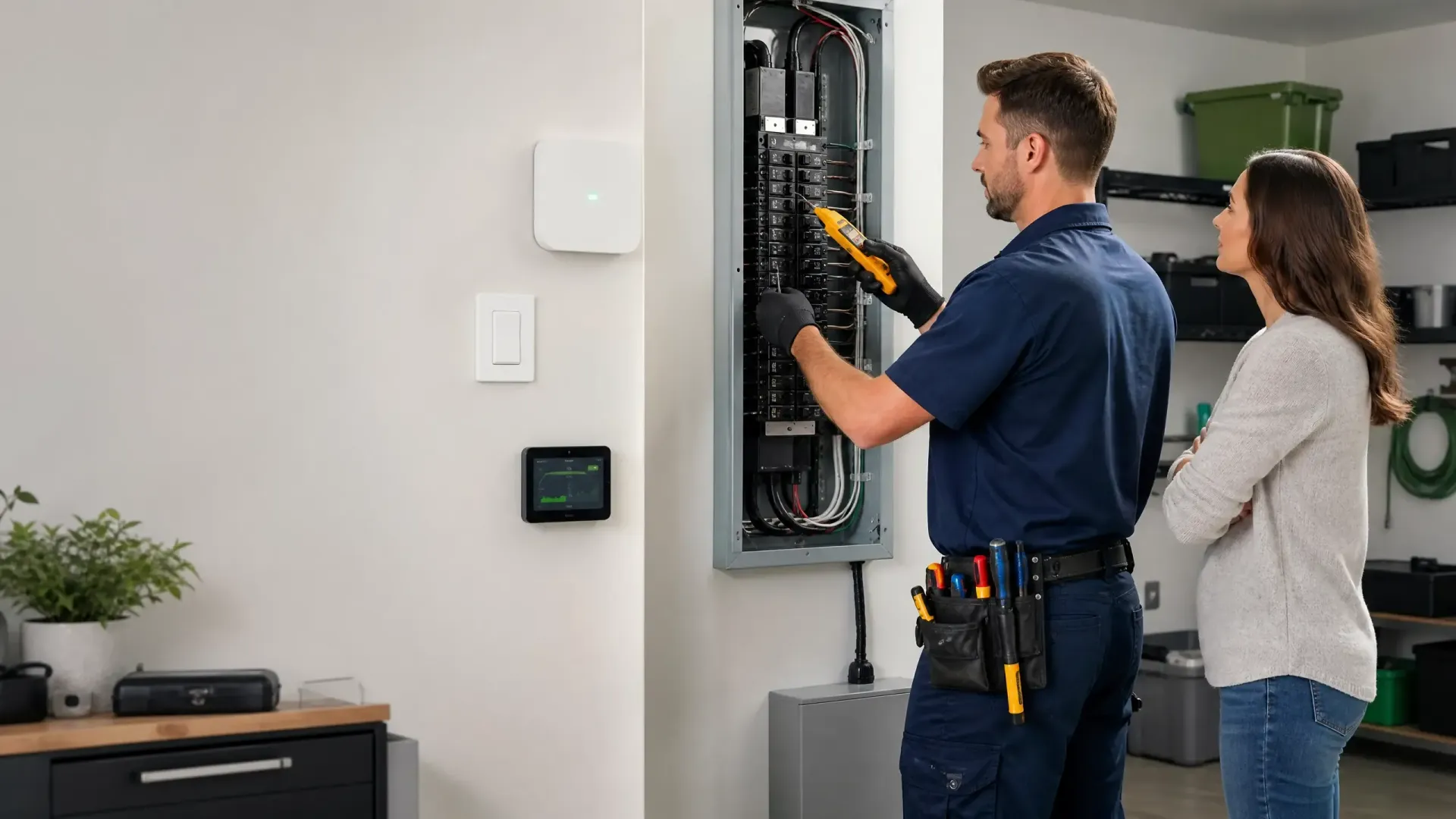
Installing or replacing breakers and outlets involves working directly with your home's electrical system. Improper installation can create serious safety hazards and may not comply with the Canadian Electrical Code.
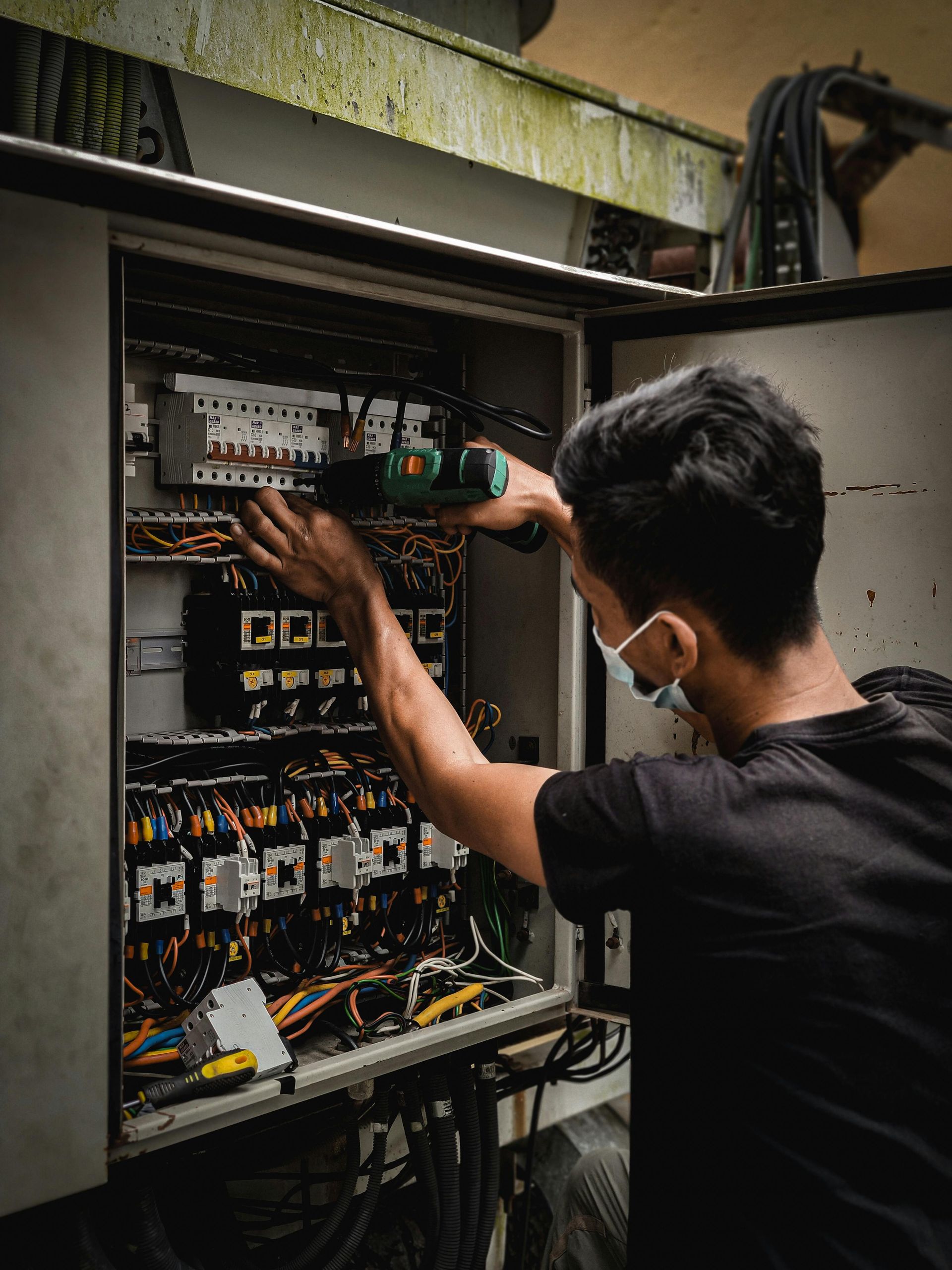
A licensed electrician will ensure:


  • Proper device selection
  • Correct installation
  • Code compliance
  • Safe testing and operation
  • Reliable long-term protection
Electrical Panel Problems

Final Thoughts

Both GFCIs and AFCIs play critical roles in protecting Canadian homes, but they address different risks. GFCIs help prevent electrical shock in areas where water is present, while AFCIs reduce the risk of electrical fires caused by hidden wiring faults.

If you're renovating, upgrading your electrical panel, or living in an older home, it's worth having your electrical system inspected to ensure you have the appropriate protection in place.

Electrical safety isn't just about keeping the lights on—it's about protecting your home, your family, and your peace of mind. Investing in modern safety devices like GFCIs and AFCIs is one of the smartest upgrades you can make.

Recent Posts

electrical panel problems in Canadian homes
By RYAN HERAUF August 28, 2026
Learn the common signs of electrical panel problems in Canadian homes, including tripping breakers, flickering lights, old fuse boxes and overloaded panels.
Ways to Reduce Your Electricity Bill
By RYAN HERAUF August 28, 2026
Discover 10 practical ways to reduce your electricity bill without sacrificing comfort, from LED lighting and smart controls to electrical upgrades.
By RYAN HERAUF June 3, 2026
Why EV Charger Installation in Calgary Requires Professional Expertise
 Electrical Panel Warning
By RYAN HERAUF June 3, 2026
Learn when to upgrade your electrical panel. Warning signs homeowners miss. Improve home safety and prevent electrical hazards. Expert advice inside.
February 13, 2026
Know when to call an electrician for your home. Premier Electrical Technician Inc is the licensed electrician Calgary trusts. Call (403) 829-8069 today.
Person wearing red hard hat and gloves working on a light fixture attached to a concrete ceiling.
January 8, 2026
Common electrical problems in Calgary homes explained. Learn how to spot home electrical issues early and when to call experts for electrical repair in Calgary.