New Title

If you've ever looked at your electricity bill and wondered why the cost changes depending on when you use electricity, you're not alone. Many Canadians are enrolled in Time-of-Use (TOU) electricity pricing, a system designed to encourage consumers to use power when demand on the electrical grid is lower.
Understanding how Time-of-Use rates work can help you make smarter energy choices, reduce your monthly electricity bill, and even extend the life of your appliances by spreading out your energy usage.
Here's everything you need to know about Time-of-Use electricity rates in Canada.
What Are Time-of-Use (TOU) Electricity Rates?
Time-of-Use (TOU) pricing means the cost of electricity changes throughout the day based on demand. Instead of paying one flat rate for every kilowatt-hour (kWh) you use, electricity is divided into different pricing periods.
Typically, these include:
- Off-Peak: Electricity is least expensive because demand is low.
- Mid-Peak: Electricity costs are moderate.
- On-Peak: Electricity is most expensive because demand is at its highest.
The goal is simple: encourage consumers to shift energy-intensive activities to times when the electrical grid is less busy.
Why Do Time-of-Use Rates Exist?
Electricity demand changes throughout the day.
During weekday mornings and evenings, millions of Canadians are cooking meals, using appliances, charging devices, heating or cooling their homes, and running businesses. Meeting this high demand often requires more expensive sources of electricity.
During evenings, overnight hours, weekends, and many holidays, demand drops considerably. Utilities can supply electricity more efficiently during these periods, allowing them to offer lower prices.
Do All Provinces Use Time-of-Use Pricing?
No.
Electricity pricing varies across Canada depending on your province, utility provider, and regulatory framework.
For example:
- Ontario offers regulated Time-of-Use, Tiered, and Ultra-Low Overnight pricing plans for eligible residential customers.
- British Columbia primarily uses tiered and flat-rate pricing, with optional Time-of-Use programs available for some customers.
- Other provinces may use flat-rate pricing, seasonal pricing, or different billing structures depending on the utility provider.
Before changing your electricity habits, it's worth checking your utility provider's current rate plan.


When Is Electricity Cheapest?
Although schedules vary by province and utility, electricity is generally least expensive during:
- Overnight hours
- Weekends
- Statutory holidays
- Other designated off-peak periods
Electricity is usually most expensive during weekday mornings and late afternoons when residential and commercial demand is highest.
Simple Ways to Save Money with Time-of-Use Rates
You don't have to drastically change your lifestyle to benefit from TOU pricing. Small adjustments can lead to noticeable savings over time.
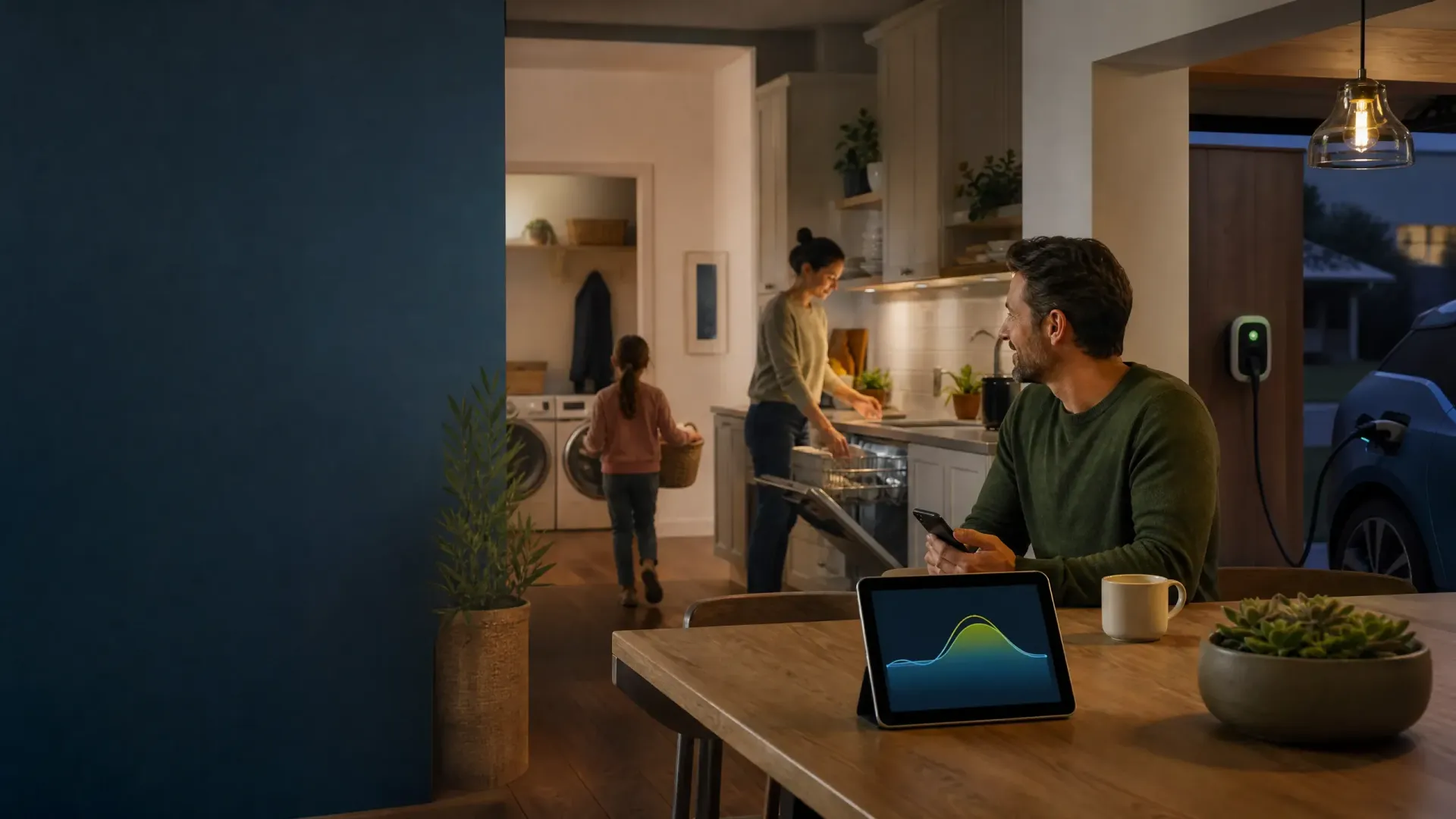
Run Appliances During Off-Peak Hours
Whenever possible, operate major appliances during lower-cost periods, including:
- Dishwashers
- Washing machines
- Clothes dryers
- Electric water heaters
Many newer appliances include delay-start features, making this easy to automate.
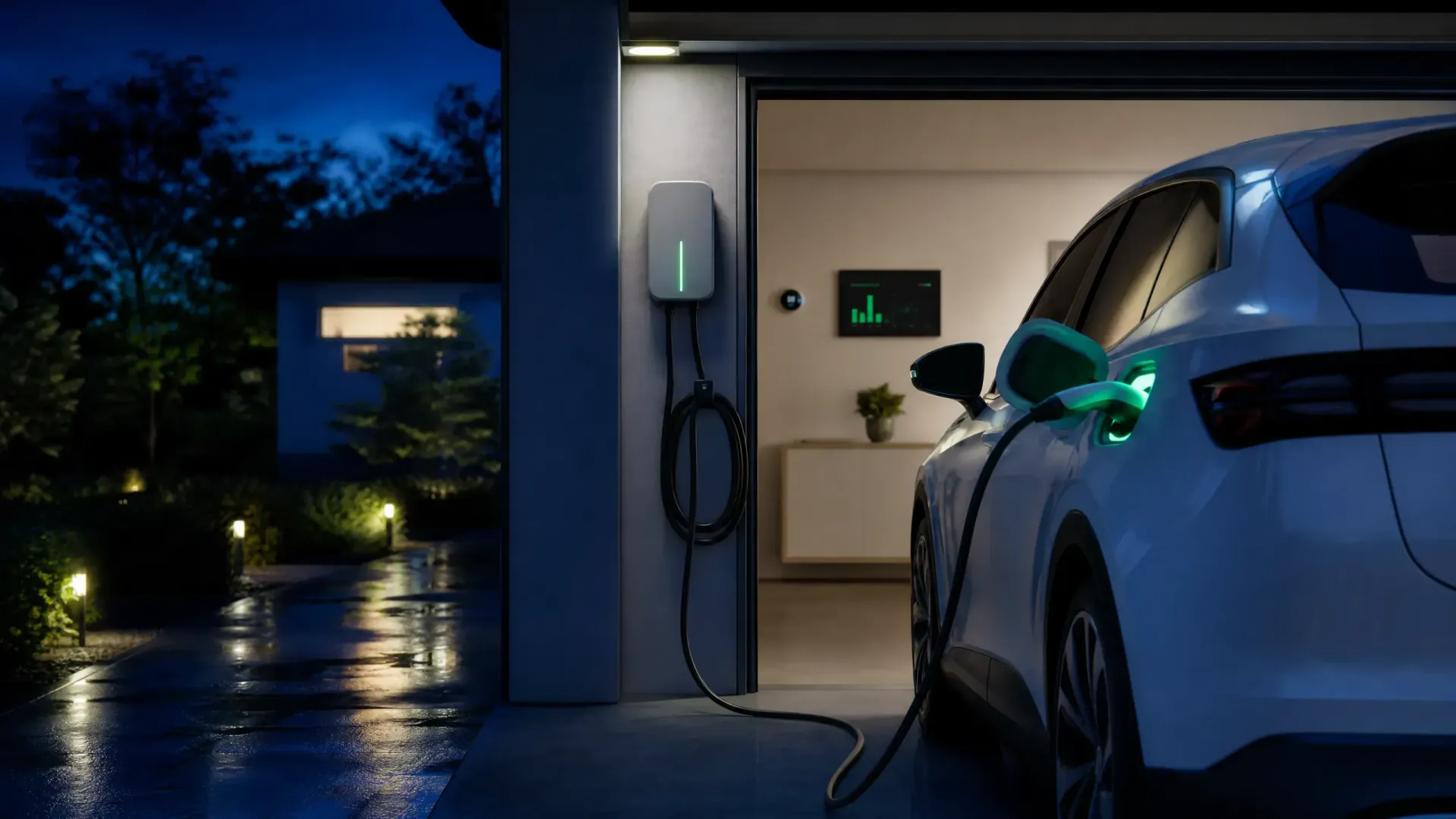
Charge Your Electric Vehicle Overnight
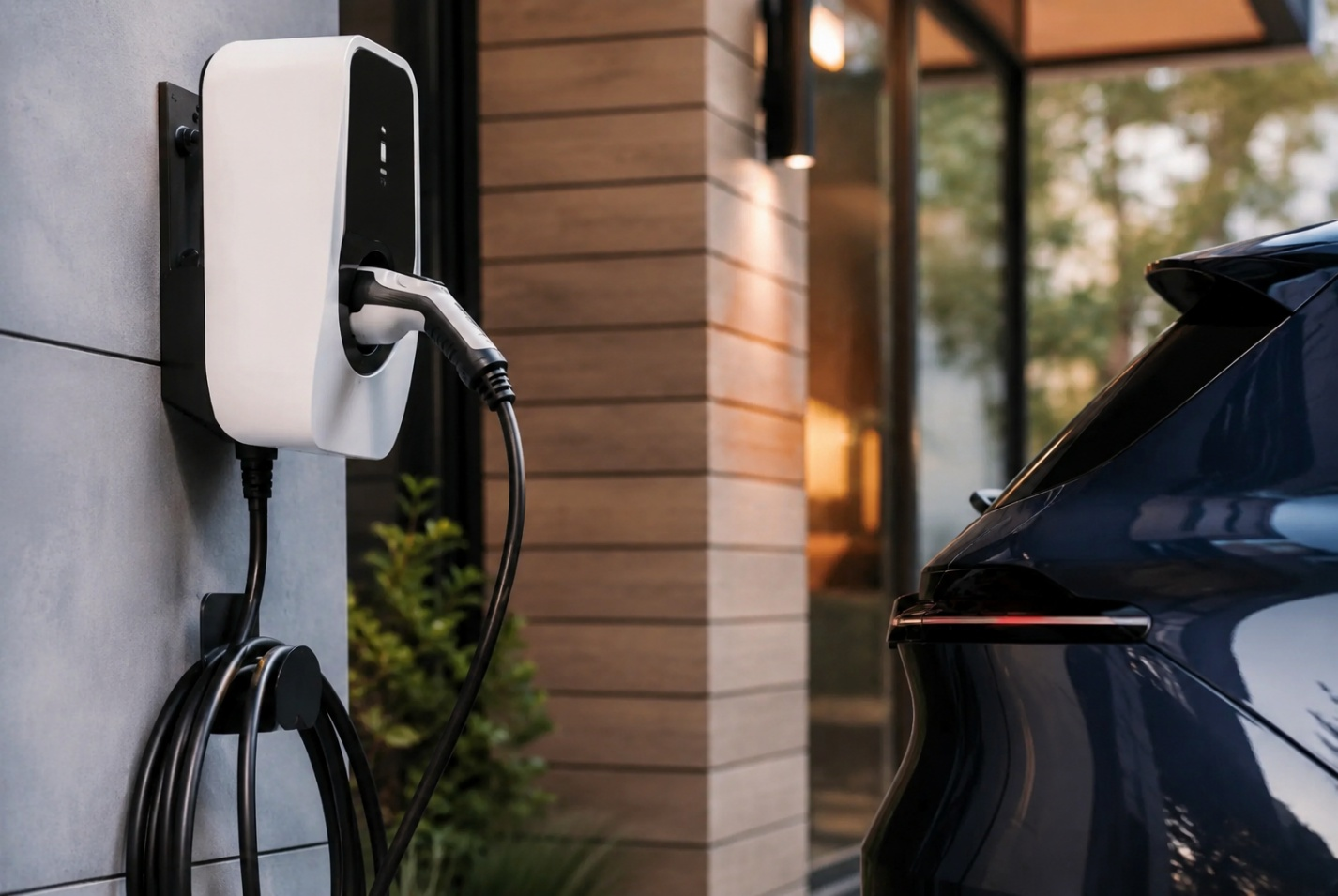
If you own an electric vehicle, overnight charging is one of the easiest ways to reduce electricity costs.
Many utilities offer their lowest electricity rates late at night, making overnight charging far more affordable than charging during peak demand periods. Some jurisdictions even offer specialized overnight pricing plans for EV owners.
Avoid Running Multiple Large Appliances at Once
Using several high-power appliances simultaneously during peak periods can significantly increase your electricity costs.
Try to stagger the use of:
- Ovens
- Dryers
- Dishwashers
- Portable heaters
- Air conditioners
This not only saves money but also reduces strain on your
home's electrical system.

Use Smart Home Technology
Smart technology can automatically shift energy use to lower-cost periods.
Examples include:
- Smart thermostats
- Smart plugs
- Smart water heaters
- Programmable EV chargers
- Smart lighting systems
These devices help reduce energy use without requiring constant attention.
Is Time-of-Use Pricing Right for Everyone?
Not necessarily.
TOU pricing works best for households that can shift a significant portion of their electricity use to evenings, weekends, or overnight hours.
It may be ideal if you:
- Work outside the home during the day.
- Own an electric vehicle.
- Use programmable appliances.
- Have flexible household routines.
However, households that rely heavily on electricity during peak daytime hours may find that another pricing option, such as tiered pricing, better suits their usage patterns where available.
How Your Electrical System Can Help You Save
An efficient electrical system can make it easier to take advantage of lower electricity rates.
Consider upgrades such as:
- LED lighting
- Smart switches
- Programmable thermostats
- Energy-efficient appliances
- EV charger installations
- Electrical panel upgrades for future energy needs
These improvements can help reduce overall electricity consumption while making it easier to shift energy use to lower-cost periods.
Should You Upgrade Your Electrical Panel?
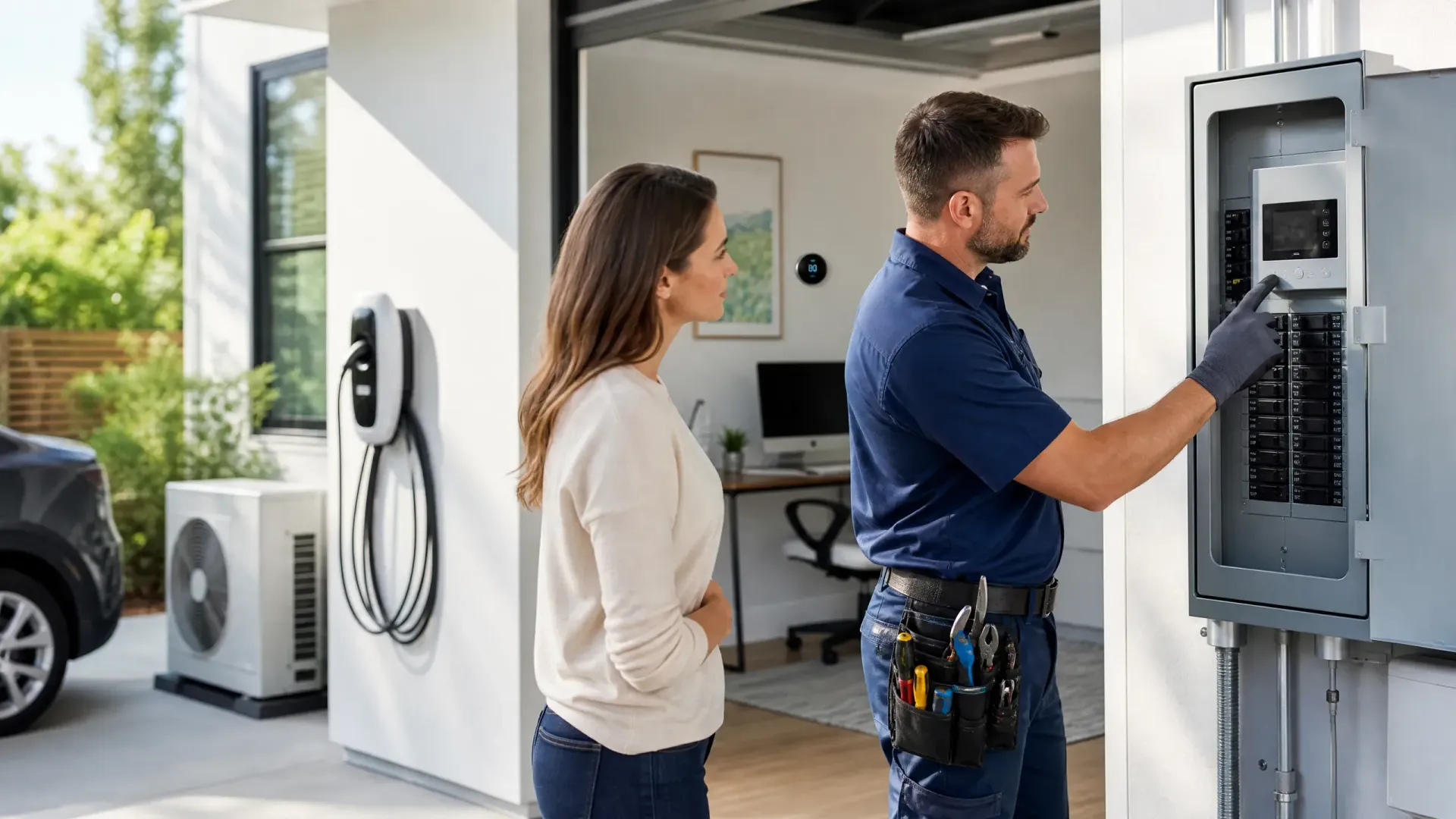
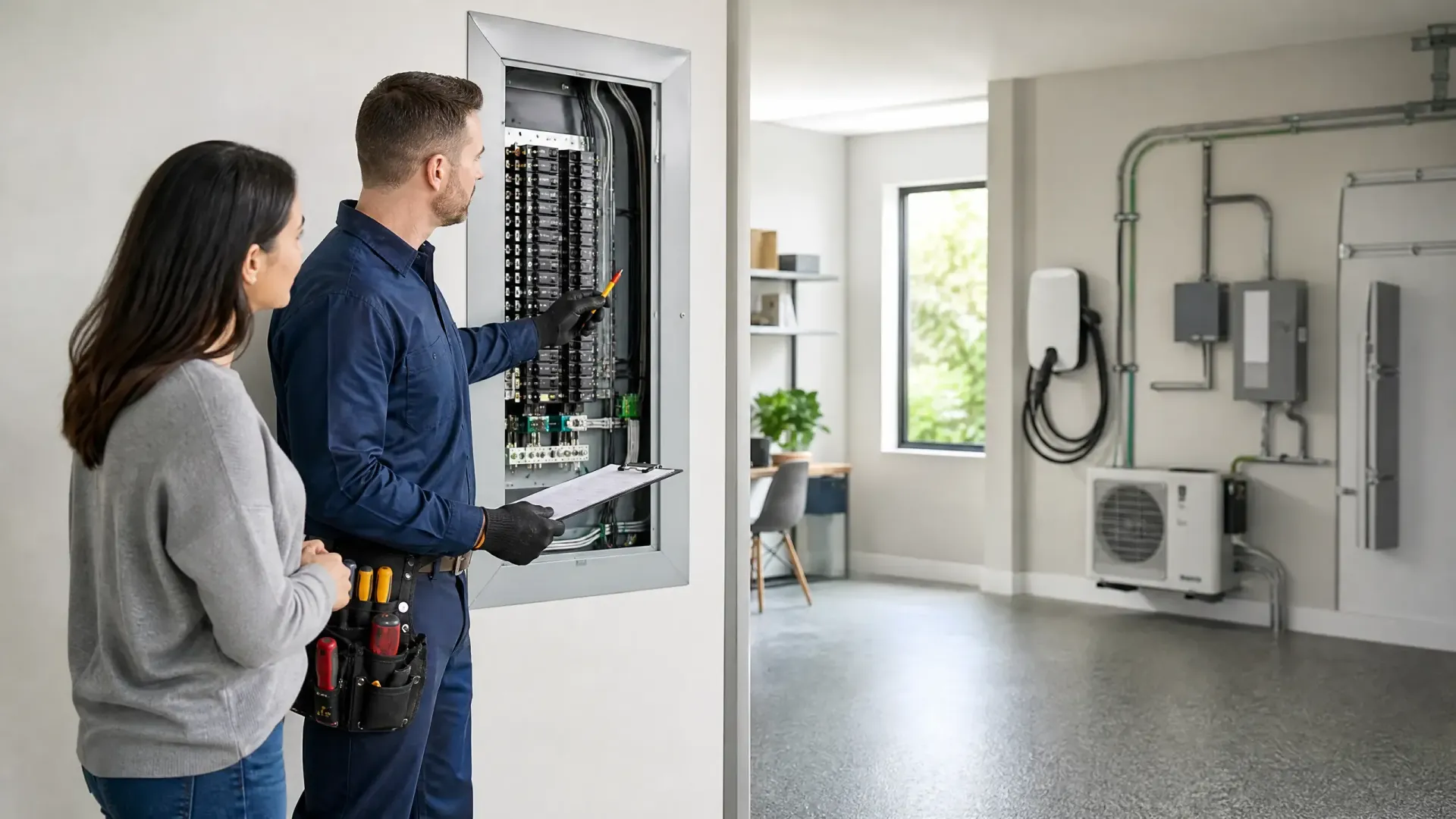
If you're adding an EV charger, installing a heat pump, or upgrading multiple appliances, your existing electrical panel may need additional capacity.
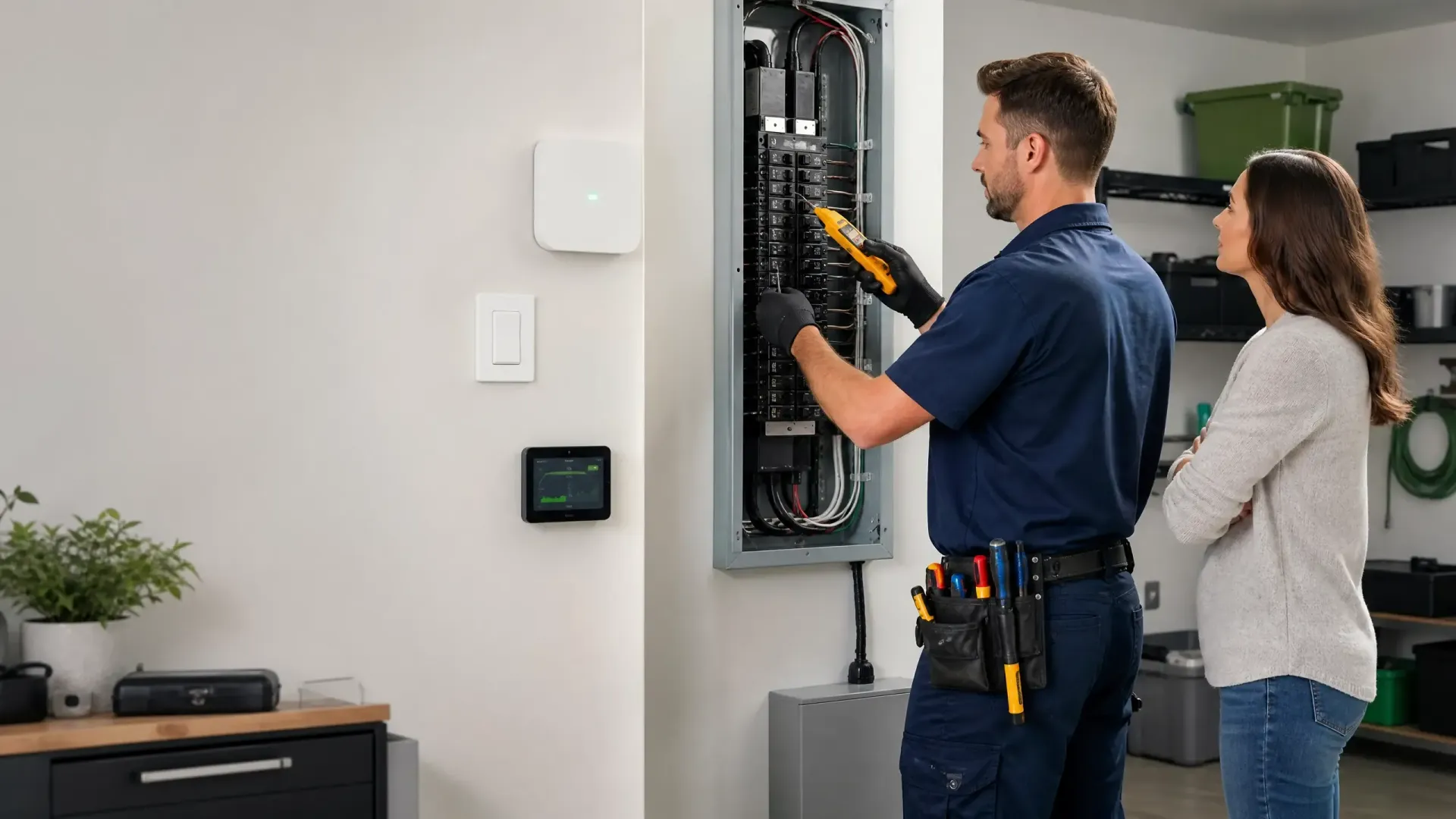
A licensed electrician can inspect your system and determine whether your current panel is capable of safely supporting your home's growing energy demands.
An upgraded panel not only improves safety but also prepares your home for future energy-efficient technologies.

Final Thoughts
Time-of-Use electricity pricing rewards homeowners who are flexible about when they use electricity. By understanding peak and off-peak periods, you can make small changes that reduce your monthly utility bills without sacrificing comfort.
Whether it's running your dishwasher after dinner, charging your EV overnight, or investing in smart home technology, every adjustment helps you use electricity more efficiently.
If you're planning electrical upgrades or want to improve your home's energy efficiency, consult a licensed electrician. They can recommend solutions that help you lower your energy costs while ensuring your electrical system is safe, reliable, and ready for the future.